
Generator Installation & Repair in Thousand Oaks
Standby generator installation, repair, maintenance, and backup power services for homes and businesses in Thousand Oaks and nearby Ventura County communities.
Generator Services We Provide
A generator system involves more than the generator itself. The installation, transfer equipment, electrical connections, testing, and ongoing maintenance all need to work together. We provide generator services for residential and commercial properties, including:
Generator Installation
Installation of standby generator systems with the electrical connections and transfer equipment required for the system.
Generator Repair
Diagnosis and repair of generator-related electrical, control, transfer, and operating problems.
Generator Maintenance
Routine inspection and maintenance to help keep the generator and associated equipment ready for operation.
Transfer Switch Service
Inspection, troubleshooting, and testing of automatic transfer switch equipment that manages the connection between utility and generator power.
Generator Testing
Testing of the generator and associated electrical system to verify proper operation under the conditions applicable to the installation.
Residential & Commercial Generator Services
Backup power support for homes, offices, and other properties with different electrical loads and operating requirements.
How Standby Generator Backup Power Works
A standby generator works as part of the property’s electrical system rather than as a separate power source that is simply plugged into the house. The generator, automatic transfer switch, electrical panel, and backed-up circuits must work together correctly.
1. Utility Power Is Available
Under normal conditions, the property receives electricity from the utility. The generator remains in standby mode while the home’s electrical system operates normally.
2. The System Detects a Power Interruption
When utility power is interrupted, the automatic transfer equipment detects the change and initiates the backup sequence.
3. The Generator Starts
The standby generator starts according to its control system and installation configuration.
4. The Transfer Switch Moves the Electrical Load
The automatic transfer switch changes the electrical connection from utility power to generator power. Only the circuits or loads included in the backup configuration are supplied.
5. Utility Power Returns
When normal utility power is restored, the transfer equipment switches the electrical load back to the utility according to the system’s operating sequence. The generator then returns to standby operation.
Why the Transfer Switch Matters
A properly installed transfer switch helps keep utility and generator power separated while controlling which source supplies the property’s electrical loads. Its correct installation, configuration, and testing are important parts of a standby generator system.
Generator Sizing & Electrical Load Assessment
Choosing a standby generator is not simply a matter of matching the size of the home or selecting a larger generator. The system needs to be sized around the electrical loads the generator is expected to support and how those loads operate.
A proper assessment considers the circuits you want backed up, the equipment connected to them, and the electrical demand that can occur when larger loads start or operate at the same time. Generator sizing guidance commonly considers both running load and motor-starting demand.
Essential Loads vs. Whole-Home Backup
There are two common approaches to residential backup power:
Essential-load backup
The generator supplies selected circuits considered important during an outage, such as refrigeration, lighting, HVAC, or other critical household equipment.
Whole-home backup
The system is designed around a broader portion of the home’s electrical system, with generator capacity and transfer equipment selected accordingly.
The right approach depends on the property’s electrical demand and which loads need to remain available during an outage.
What We Consider When Assessing Generator Capacity
Depending on the property and system, an electrical load assessment may consider:
- Existing electrical service and panel capacity
- Circuits intended for generator backup
- Heating and cooling equipment
- Refrigerators and freezers
- Pumps and other motor-driven equipment
- Electric water heating or cooking equipment
- Lighting and general electrical loads
- Starting demand from motors and compressors
- Whether load management or selected-circuit backup is appropriate
This assessment helps determine whether the proposed generator and transfer equipment are appropriate for the electrical system rather than relying on a simple square-footage estimate.
Does Generator Size Affect the Electrical Panel?
It can. The generator, transfer switch, electrical panel, and backed-up circuits need to be considered as one system.
If the existing electrical infrastructure does not provide the capacity or configuration needed for the planned backup system, panel or electrical-system modifications may be necessary.
Automatic Transfer Switch & Electrical Panel Integration
The automatic transfer switch is the part of a standby generator system that manages the change between utility power and generator power. It connects the generator to the electrical system according to the system’s configuration and controls when backed-up loads receive generator power.
What Does an Automatic Transfer Switch Do?
During normal operation, the property receives power from the utility. When the system detects an interruption, the generator starts and the transfer switch changes the designated electrical loads to the generator source. When utility power returns, the system transfers those loads back to normal power.
The transfer equipment also helps keep the utility and generator sources from being connected to the same electrical bus at the same time, which is an important part of a properly configured standby system.
How Does the Transfer Switch Connect to the Electrical Panel?
The exact configuration depends on the generator, transfer equipment, service arrangement, and which circuits are intended to receive backup power.
A system may be configured to support:
- Selected essential circuits
- A dedicated backup load center
- A broader portion of the property’s electrical panel
- A whole-home arrangement with appropriately sized equipment
- Load-management equipment for certain larger electrical loads
The transfer switch and associated conductors, breakers, and equipment must be properly matched to the installation and applicable electrical requirements. Manufacturer documentation, for example, specifies that conductors and wiring methods must be appropriately sized and installed according to applicable NEC requirements.
Does a Generator Always Require a Panel Upgrade?
Not necessarily.
An existing panel may be suitable for a particular generator configuration, while another installation may require electrical modifications.
The answer depends on factors such as:
- Existing service capacity
- Panel configuration
- Generator capacity
- Backup circuits
- Electrical load
- Transfer-switch configuration
- Existing equipment condition
If the existing electrical system needs additional capacity or modernization for the planned generator installation, panel work may become part of the project.
Related service: [Electrical Panel & Breaker Upgrades](/panel-breaker-upgrades-replacements/)
Our Generator Installation Process
A standby generator installation needs to be planned around the property’s electrical system, the loads the generator will support, the equipment being installed, and the requirements that apply to the project. We approach the installation in stages so the system is properly configured before it is put into service.
1. Electrical Load Assessment
We first look at the property’s electrical system and determine which circuits and equipment the generator is expected to support. This helps establish the appropriate generator capacity and whether the existing electrical infrastructure can accommodate the planned system.
2. System & Site Planning
Next, we evaluate the proposed generator location and the electrical path between the generator, transfer equipment, and property electrical system.
Planning can involve considerations such as:
- Generator location
- Electrical panel configuration
- Transfer switch placement
- Conduit and conductor routing
- Equipment access
- Manufacturer installation requirements
- Applicable local requirements
3. Required Permits & Approvals
Generator projects can involve different requirements depending on the property, equipment, and scope of work. We identify the applicable electrical and other project requirements before installation begins and coordinate the electrical permitting process as appropriate.
For Thousand Oaks projects, the City’s Building Division is the local starting point for building-related permitting, and its current system uses the TO/24 portal for digital permit applications and inspections.
4. Generator & Transfer Equipment Installation
Once the project is ready, the generator and associated electrical equipment are installed according to the system design and applicable requirements.
This can include:
- Generator electrical connections
- Automatic transfer switch
- Conduit and conductors
- Panel connections
- Required breakers or related equipment
- Control wiring
- Grounding and bonding as required
Fuel-system or other non-electrical work is coordinated according to the requirements and scope of the particular installation.
5. System Startup & Testing
After installation, the system is checked to verify that the generator, transfer equipment, and connected electrical loads operate as intended.
Testing can include:
- Generator startup
- Transfer-switch operation
- Utility-to-generator transfer
- Generator load operation
- Return to utility power
- Inspection of electrical connections and system operation
Testing is important because a generator can appear properly installed while still having a problem with the transfer equipment, electrical connections, or supported loads.
6. Final Inspection & Documentation
Where inspections are required, the project proceeds through the applicable inspection process. We address any required corrections and confirm the completed electrical installation before the system is placed into normal standby service.
Generator Repair & Troubleshooting in Thousand Oaks
A generator that will not start, does not transfer power, or shuts down unexpectedly needs more than a quick reset. The generator, transfer equipment, electrical connections, controls, and backed-up loads may all need to be checked to identify the actual problem.
We diagnose generator-related electrical and system issues and determine what needs to be repaired, adjusted, or tested.
Common Generator Problems
Generator won’t start
The problem may involve the starting system, controls, battery, fuel-related conditions, or another component that needs diagnosis.
Generator starts but the property has no backup power
The generator may be running while the transfer equipment or electrical connection is preventing power from reaching the intended circuits.
Transfer switch isn’t operating correctly
A transfer-switch problem can prevent the system from changing between utility and generator power as intended.
Generator trips breakers
Repeated breaker trips can indicate an electrical or load-related problem that should be diagnosed rather than repeatedly reset.
Generator shuts down unexpectedly
Unexpected shutdowns can have different causes depending on the generator and its operating conditions. Proper diagnosis is needed before deciding on a repair.
Generator cannot handle the expected load
If the generator is running but the backed-up equipment is not operating properly, the generator capacity, connected loads, transfer equipment, and electrical system may need to be evaluated.
Repair vs. Resetting the System
If a generator fails during an outage, repeatedly restarting it or resetting breakers without identifying the cause can leave the underlying problem unresolved.
A proper diagnosis helps determine whether the issue is with the generator itself, the transfer equipment, the electrical connections, or the loads being supplied.
Related service: [Electrical Repair & Troubleshooting](/electrical-repair-troubleshooting/)
Generator Repair or Replacement?
Not every generator problem means the entire system needs to be replaced. In some cases, a specific fault can be diagnosed and repaired. In others, the condition of the equipment, repeated failures, or the property’s current electrical needs may make replacement worth considering.
Repair may be appropriate when:
- The generator is otherwise suitable for the property.
- A specific fault or failed component can be identified.
- The existing system can still meet the property’s backup-power requirements.
- The repair can restore reliable operation.
Replacement may be worth evaluating when:
- The generator has recurring problems.
- Major components or systems are deteriorated.
- The existing generator no longer suits the property’s electrical demand.
- The backup-power requirements have changed significantly.
- Continued repairs are no longer the practical solution.
Generator Maintenance in Thousand Oaks
Regular maintenance helps keep a standby generator ready for the next outage. The appropriate maintenance schedule depends on the **generator model, manufacturer requirements, operating conditions, and usage**, so service should follow the requirements for the specific system rather than a one-size-fits-all schedule.
What Generator Maintenance Can Include
Depending on the generator and its service requirements, maintenance may involve:
- Checking the generator’s operating condition
- Inspecting the battery and starting system
- Checking oil and other service items where applicable
- Inspecting filters and connections
- Checking electrical connections and transfer equipment
- Testing generator startup and transfer operation
- Identifying conditions that could affect reliable operation
Why Transfer-Switch Maintenance Matters
The generator is only one part of the backup-power system. The automatic transfer switch also needs to operate correctly so the intended electrical loads can transfer between utility and generator power.
Maintenance and testing can therefore look at the generator and the associated electrical equipment together, rather than treating the generator as an isolated machine.
Maintenance for Existing Generators
If you already have a standby generator installed, we can evaluate its condition, perform appropriate maintenance, and identify problems that may require repair before the next outage.
Where Can a Generator Be Installed
The best generator location depends on the property, generator model, electrical layout, and applicable installation requirements. A location that works for one property may not be suitable for another.
During planning, we consider factors such as:
- Manufacturer installation requirements
- Exhaust and ventilation
- Distance from building openings
- Electrical routing and accessibility
- Generator and transfer-equipment location
- Fuel configuration
- Noise and property considerations
- Applicable local requirements
- HOA or property restrictions where relevant
The generator should be installed in a location that allows the system to operate safely while providing appropriate access for inspection and maintenance.
Planning the Location Before Installation
Generator placement should be considered together with the electrical system rather than after the equipment has been selected. The location can affect conduit routing, transfer-switch placement, electrical connections, service access, and the overall installation.
For that reason, site planning is part of the generator installation process, not simply a matter of finding an open space outside the property.
Generator Permits & Local Requirements in Thousand Oaks
Generator installations can involve more than the generator itself. The requirements depend on the property, equipment, installation scope, and applicable local regulations.
The City of Thousand Oaks Building Division oversees electrical and other construction standards within the city and provides permit and inspection services through its TO/24 system. The City currently lists electrical permits among its construction services and requires digital plan submissions through TO/24 for applicable applications.
Ventura County also has separate air-quality requirements that can apply to certain engine-powered equipment. For example, the Ventura County Air Pollution Control District identifies specific exemptions and requirements based on factors such as generator fuel, horsepower, and whether the equipment is being used at a qualifying residence.
What We Consider During a Generator Project
Depending on the installation, we consider:
- Applicable electrical requirements
- Required permits and inspections
- Generator and transfer-equipment specifications
- Property and installation conditions
- Local planning considerations
- Applicable air-quality requirements
Because requirements can vary from one project to another, we don’t treat a single permit rule as applying to every generator installation.
For current City requirements, the City of Thousand Oaks Building Division and TO/24 portal are the appropriate sources for project-specific permit information.
Residential Generator Backup
A standby generator can provide backup power for the electrical circuits that matter most when utility power is interrupted. The system can be configured around selected essential loads or designed for broader household coverage, depending on the home’s electrical demand and the generator system selected.
Common Residential Backup Loads
Depending on the system, homeowners may choose to keep important equipment such as:
- Refrigerators and freezers
- Lighting
- Heating and cooling equipment
- Security systems
- Garage doors
- Internet and communication equipment
- Medical or other critical equipment
The generator does not automatically need to power every circuit in the house. The backup configuration should match the home’s electrical needs and the homeowner’s priorities.
Essential-Load or Whole-Home Backup?
Essential-load backup focuses generator capacity on selected circuits that are important during an outage.
Whole-home backup is designed around a broader portion of the home’s electrical demand and requires appropriate generator capacity and system configuration.
A load assessment helps determine which approach is suitable for the property.
Backup Power for Thousand Oaks Homes
For homeowners concerned about extended outages, wildfire-related shutoffs, or other interruptions to utility service, a properly planned standby system can provide an automatic source of backup electricity without relying on manually connected extension cords.
Commercial Generator Backup
A commercial generator system needs to be planned around the electrical loads and operations that matter most to the business. Depending on the property, backup power may support selected critical circuits or a larger portion of the electrical system.
What Commercial Backup Power Can Support
A properly planned system may be used to keep important equipment and operations running during a utility outage, such as:
- Essential lighting
- Refrigeration
- Security and access systems
- Communications and network equipment
- HVAC equipment
- Pumps and other critical electrical equipment
- Other business-specific loads
The generator capacity and transfer equipment should be selected around the property’s actual electrical requirements rather than assuming every circuit needs to remain powered.
Commercial Generator Installation & Electrical Integration
Commercial installations can involve larger electrical loads, more complex distribution systems, and multiple critical circuits. Load assessment, generator sizing, transfer-switch configuration, panel integration, and system testing therefore become particularly important.
For larger or more complex properties, the backup-power design may also need to account for how different loads operate and which equipment should receive priority.
Commercial Generator Maintenance & Repair
An existing commercial generator should be maintained and tested according to its equipment requirements and operating conditions. If the generator, transfer switch, or associated electrical system develops a problem, proper diagnosis can help identify whether the issue is isolated to one component or affects the broader backup-power system.
Generator Safety
A generator is part of an electrical and combustion-powered system, so safe installation and operation require attention to both electrical hazards and exhaust.
Prevent Carbon Monoxide Exposure
Generator exhaust contains carbon monoxide (CO), an odorless and potentially deadly gas. Portable generators should never be operated inside a home, garage, basement, shed, or other enclosed area. The U.S. Consumer Product Safety Commission recommends operating portable generators outdoors and away from doors, windows, and vents.
Prevent Electrical Backfeeding
A generator should never be connected to a home’s wiring by plugging it into a standard wall outlet. This practice, known as backfeeding, can create serious electrocution and fire hazards. A properly configured transfer system is designed to isolate generator power from utility power.
Follow the Generator’s Requirements
Generator placement, electrical connections, transfer equipment, grounding, and operation should follow the applicable electrical requirements and the manufacturer’s installation instructions.
Regular maintenance and testing also help identify problems before the generator is needed during an outage.
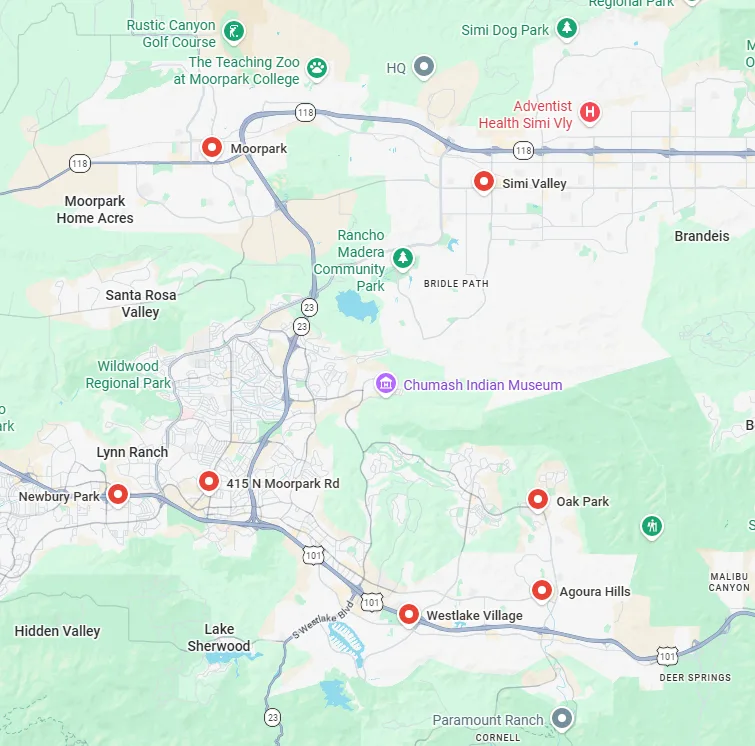
Generator Services Across Thousand Oaks & Nearby Communities
We provide generator installation, repair, maintenance, and related electrical services throughout Thousand Oaks and nearby Conejo Valley communities.
Our service area includes:
Thousand Oaks
Newbury Park
Westlake Village
Oak Park
Agoura Hills
Moorpark
Simi Valley
Why Choose Our Generator Services?
Generator work connects directly to a property’s electrical system, so experience with electrical installation, troubleshooting, and system integration matters.
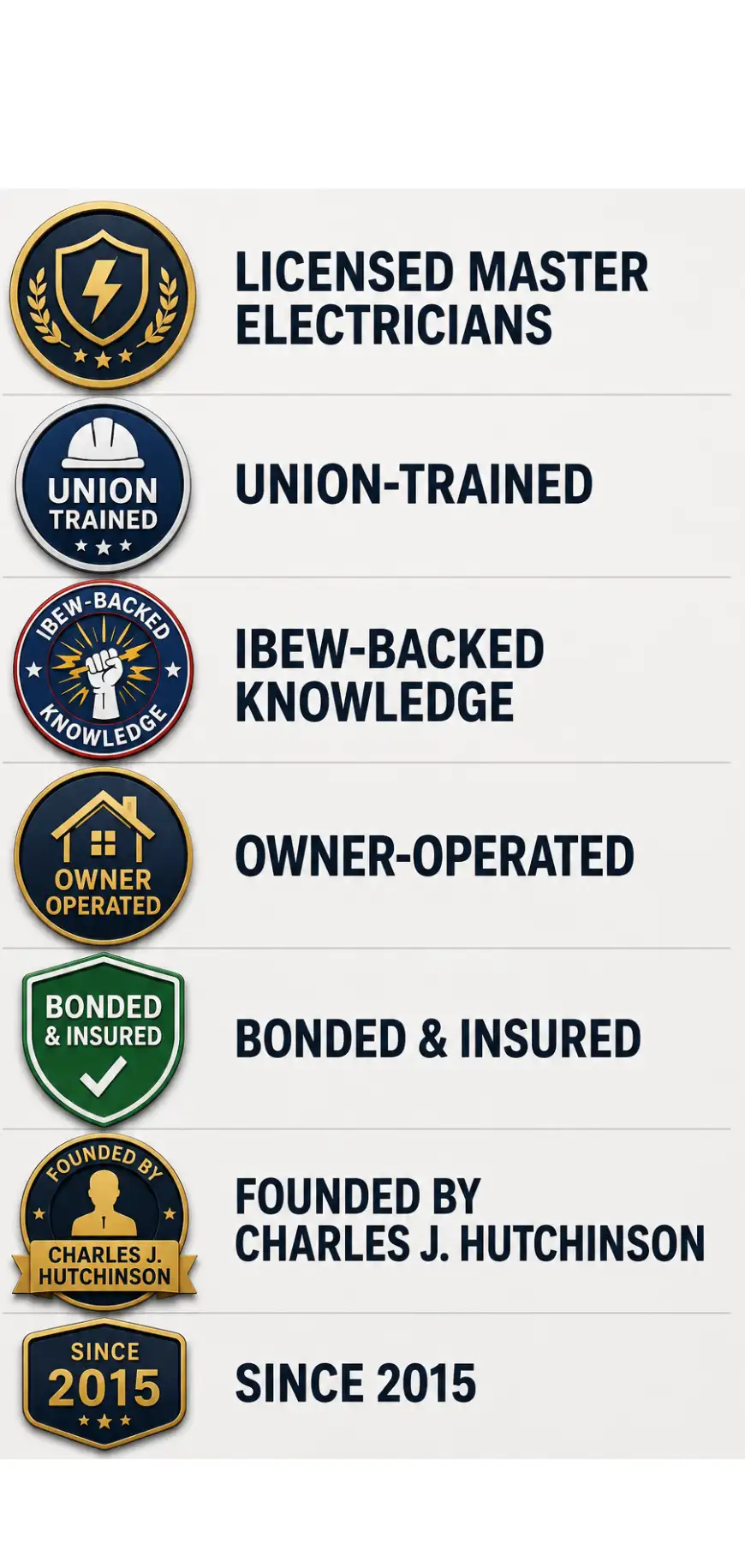
With Electrician Thousand Oaks CA, you work with an owner-operated electrical business serving the local community since 2015.
What you can expect
- Licensed electrical service
- Owner-operated business
- Bonded & insured
- Warranty on work
- Residential and commercial experience
- 24/7 emergency electrical service
We focus on properly assessing the electrical system, explaining what the installation or repair involves, and completing the work according to applicable requirements.
Frequently Asked Questions About Generators
Generator size depends on the electrical loads you want to support, the equipment connected to those circuits, and the starting demand of larger electrical loads. A load assessment can help determine the appropriate system.
It can, depending on the generator capacity, electrical service, transfer equipment, and the home’s electrical demand. Other installations may focus on selected essential circuits.
The transfer switch manages the connection between utility and generator power and controls which electrical loads receive backup power when the utility supply is interrupted.
A generator may fail to start for several reasons, including problems with its starting system, controls, battery, fuel supply, or other components. Proper diagnosis is needed to identify the cause.
A tripping breaker can indicate an electrical fault, excessive load, or another problem that needs to be diagnosed rather than repeatedly reset.
Maintenance intervals vary according to the generator model, manufacturer requirements, operating conditions, and usage. Follow the maintenance requirements specified for the particular system.