
EV Charger Installation in Thousand Oaks
Charge your EV at home with a properly installed electrical circuit and charger. We install Level 2 EV chargers, dedicated circuits, NEMA 14-50 outlets, and hardwired charging systems in Thousand Oaks.

Home EV Charger Installation
A home EV charger makes daily charging easier. Instead of relying on a standard household outlet, many EV owners choose a Level 2 charger connected to a dedicated 240-volt circuit.
The right installation depends on your vehicle, charger, electrical panel, and where you want the charger installed.
Before installation, we look at the existing electrical system and determine what the charger requires. This helps identify the appropriate circuit, wiring, connection method, and installation location.
Why Choose Level 2 Charging?
Level 1 charging uses a standard 120-volt household outlet. It can work for drivers with light charging needs, but charging is slower.
Level 2 uses 240 volts and is commonly used for home EV charging. It can provide a practical option for homeowners who want to charge their vehicle regularly at home.

Call us to install level 2?
Level 1 vs. Level 2 vs. DC Fast Charging
Not every EV charging system is designed for the same purpose.
| Charging Level | Electrical Setup | Typical Use |
|---|---|---|
| Level 1 | 120V household outlet | Light or occasional home charging |
| Level 2 | 240V circuit | Regular home, workplace, or commercial charging |
| DC Fast Charging | Specialized high-capacity equipment | Public and commercial charging |
For most homeowners looking for faster charging at home, Level 2 is the most common choice for regular home charging.
DC fast charging is a different type of system and is generally associated with public or commercial charging rather than a typical home installation.
Can Your Electrical Panel Handle an EV Charger?
Installing an EV charger is not simply a matter of adding a breaker.
The existing electrical system needs to be evaluated first. We consider:
- Available panel capacity
- Existing electrical loads
- Available breaker space
- Charger requirements
- Circuit requirements
- Wiring distance
- Charger location
- Other large electrical loads in the home
A home with a 200-amp service, for example, may still need an electrical evaluation before adding a new high-demand circuit.
If the existing panel cannot support the planned installation, additional electrical work may be needed. Learn more about Electrical Panel & Breaker Upgrades services.
Hardwired EV Charger or NEMA 14-50 Outlet?
There are two common ways to connect a Level 2 home charger.
Hardwired installation
The charger is connected directly to the electrical wiring. This creates a permanent charging setup and may be required by some charger manufacturers.
NEMA 14-50 outlet
A dedicated 240-volt receptacle is installed so a compatible plug-in charger can be connected to it.
Neither option is right for every property. The choice depends on the charger, vehicle, electrical system, installation location, and manufacturer requirements.
Where Can an EV Charger Be Installed?
An EV charger can be installed in several locations, depending on the property and electrical layout.
Attached garage
A common choice for home charging. The charger can be installed near the vehicle while the electrical circuit is routed from the panel.
Detached garage
A detached garage may require a longer wiring route or additional electrical work between the main building and garage.
Carport or exterior parking
Outdoor installations require equipment and installation methods suitable for the location and weather exposure.
The charger should be positioned where the cable can reach the vehicle without creating an unnecessary trip or vehicle hazard.
Our EV Charger Installation Process
1. Review the electrical system
We check the panel, existing loads, available breaker space, and charger requirements.
2. Plan the circuit
We determine the appropriate circuit, wiring route, and connection method based on the installation.
3. Address permitting
When a permit is required, the installation is handled according to the applicable Thousand Oaks requirements.
4. Install the electrical equipment
The circuit, wiring, receptacle or hardwired connection, and EV charger are installed.
5. Test the system
The installation is checked to make sure the charger and electrical connection operate properly.
6. Complete required inspection
If an inspection is required for the project, it is completed as part of the permitting process.
Do You Need a Permit for an EV Charger in Thousand Oaks?
EV charger installations in Thousand Oaks may require an electrical permit.
The City of Thousand Oaks states that, for a new residential EV charging station, only an Electrical Permit is needed in most cases. An electrical load calculation may also be required when applicable.
The City provides permit submission through its TO/24 system and also accepts applications in person. Commercial installations can involve additional plans and documentation depending on the project. The City also provides an EV Charger Station Checklist for permit applicants.
Because requirements can vary by project, it is best to confirm the current requirements before work begins.
Will Your EV Work With the Charger?
The charger and vehicle need to use a compatible connection.
Common charging connections include J1772 and NACS. Tesla vehicles and other EVs may use different charging equipment or adapters depending on the vehicle and charger.
Before installation, confirm:
- Your vehicle’s charging connection
- The charger’s connector
- Required electrical circuit
- Charger manufacturer’s installation requirements
- Whether the selected charger is suitable for your vehicle
If you’re considering a Tesla Wall Connector or another specific charging system, the electrical installation still needs to match the equipment requirements.
What Affects an EV Charger Installation?
The installation can vary based on:
- Charger output
- Vehicle requirements
- Existing electrical service
- Panel location
- Charger location
- Wiring distance
- Available breaker space
- Other major electrical loads
What If Your Home Needs More Electrical Capacity?
Sometimes the existing electrical system needs additional work before an EV charger can be installed.
That could involve:
- Panel or breaker work
- A new dedicated circuit
- Subpanel work
- Panel replacement or upgrade
- Changes to the electrical distribution system
A panel upgrade is not automatically required just because you’re installing an EV charger. The existing system should be evaluated first.
Commercial & Multifamily EV Charging
EV charging is also used at offices, apartment properties, commercial buildings, and other shared parking locations.
Commercial and multifamily projects can be more involved than a single home charger. The electrical capacity, number of charging stations, equipment location, wiring, and permitting requirements all need to be considered.
For larger installations, planning the electrical system before equipment is installed can help avoid unnecessary changes later.
EV Charger Repair and Maintenance
An EV charger that stops working does not always have a problem with the vehicle.
Electrical or equipment issues can include:
- Charger not powering on
- Charging interruptions
- Breaker trips
- Wiring or connection problems
- Faults at the charging equipment
- Other electrical issues affecting the charger
See our repair services.
Safe EV Charger
Installation
An EV charger places a significant electrical load on the system, so the circuit and equipment need to be installed correctly.
The installation should account for:
- Proper circuit sizing
- Appropriate wiring
- Breaker protection
- Grounding and bonding
- Equipment requirements
- Installation location
- Applicable electrical requirements
After installation, the system should be tested to confirm that the charger and electrical connection are operating properly.
EV Charging With Solar or Battery Storage
If your home already has solar panels or battery storage, the EV charger becomes another part of the property’s electrical system.
It may also need to be considered alongside other larger loads such as:
- Air conditioning
- Electric water heating
- Pool equipment
- Heat pumps
- Other high-demand appliances
The goal is to evaluate the complete electrical system rather than looking at the EV charger in isolation.
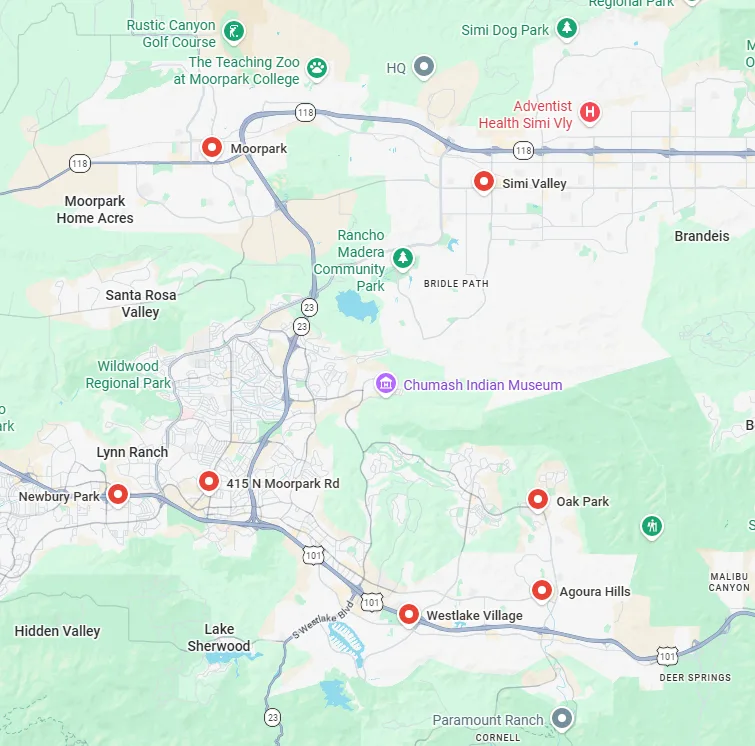
EV Charger Installation Near Thousand Oaks
We provide EV charger installation in Thousand Oaks and surrounding communities, including:
- Newbury Park
- Westlake Village
- Oak Park
- Agoura Hills
- Moorpark
- Simi Valley
If you’re located nearby and need an EV charging installation, contact us to discuss the electrical requirements for your property.

Electrical Experience You Can Rely On
EV charging is an electrical installation, so the quality of the electrical work matters as much as the charger itself.
Our company is:
- Owner-operated
- Licensed Master Electricians
- Union-trained
- IBEW-backed knowledge
- Bonded & insured
- Serving the community since 2015
- Warranty on our work
We approach EV charger installation as part of the home’s electrical system—not simply as mounting a charging unit on a wall.
FAQs
Not necessarily. Level 1 charging can work for some drivers. Level 2 is commonly chosen when faster, regular home charging is needed.
In many cases, yes. The panel and existing electrical loads should be evaluated first to determine whether it can support the planned charger.
Not automatically. An electrical evaluation can determine whether the existing system has adequate capacity or whether additional work is needed.
Neither is universally better. The appropriate option depends on the charger, electrical system, installation location, and manufacturer’s requirements.
EV charging installations can require an electrical permit. The City of Thousand Oaks states that most new residential EV charging stations require only an Electrical Permit, although additional requirements may apply depending on the project. The City also provides an EV Charger Station Checklist for permit applicants.
Yes, we can install compatible EV charging equipment, subject to the charger’s electrical and installation requirements.
Potentially, yes. The electrical route, equipment, installation location, and environmental conditions need to be considered.
Yes. Commercial and multifamily EV charging projects can involve different electrical and permitting requirements than a typical home installation.