
One of the most common things I see in homes is missing or outdated electrical protection. And honestly, most homeowners don’t even know it’s missing until something goes wrong.
Here’s the thing about electricity—it doesn’t give you many warnings. A breaker might trip. An outlet might feel warm. But by the time you notice something’s off, the hazard has already been there for a while.
That’s where GFCI and AFCI protection come in. These aren’t fancy upgrades to make your home look modern. They’re safety devices designed to catch problems before they turn into fires or electrical shock.
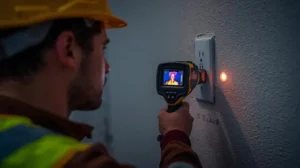
I work on a lot of older homes here in Thousand Oaks. Beautiful properties, solid construction—but the electrical systems weren’t built with the same safety standards we have today. And that gap between old code and modern protection? That’s where the risk lives.
What GFCI Protection Does (In Plain English)
GFCI stands for Ground Fault Circuit Interrupter. But let’s skip the technical stuff and talk about what it actually does.
A ground fault happens when electricity flows where it shouldn’t—like through water, or through you. Maybe a hair dryer falls in the sink. Maybe a tool cord gets damaged in the garage. In those moments, electricity is looking for the easiest path, and that path could be through your body.
GFCI devices monitor the flow of electricity between the hot and neutral wires. If even a tiny amount of current goes somewhere else—like into water or a person—the GFCI trips in a fraction of a second. It cuts the power before you even feel the shock.
You’ll find GFCI protection in areas where water and electricity might come into contact:
- Bathrooms – Near sinks, tubs, and showers
- Kitchens – Countertop outlets near the sink
- Garages – Where tools and moisture are common
- Outdoor areas – Patios, decks, and garden outlets
- Laundry rooms – Around washers and utility sinks
Now, here’s something homeowners ask me about all the time: “Why does my GFCI keep tripping?”
Most of the time, it’s not random. The GFCI is doing it’s job. It’s detecting a small electrical leak—maybe a worn cord, maybe moisture inside an outlet box. If you’re resetting it over and over, that’s a warning sign. Something’s wrong, and the GFCI is trying to protect you from it.
What AFCI Protection Does (And Why It’s Different)
AFCI stands for Arc Fault Circuit Interrupter. This one’s a little harder for people to understand, but it’s just as important.
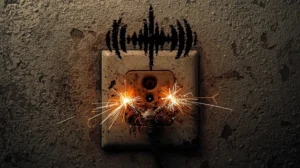
An arc fault happens when electricity jumps across a gap it shouldn’t. Think of it like a tiny lightning bolt inside your walls. It can be caused by:
- Loose wire connections
- Damaged cords behind furniture
- Nails or screws driven through wiring
- Old insulation breaking down
The scary part? Arc faults cause electrical fires. And standard circuit breakers won’t catch them because the current isn’t high enough to trip the breaker. The arc just sits there, generating heat, until something ignites.
I’ve opened up walls in bedrooms and living rooms where the wiring looked fine from the outside. But once we pulled things apart, you could see the damage—burned insulation, loose connections, wires that had been arcing for who knows how long.
AFCIs are designed to detect those arcs and shut off power before a fire starts. They monitor the electrical signature of the circuit, looking for the specific pattern that indicates arcing. When they find it, they trip.
Most homeowners don’t see the danger because it’s hidden. But that doesn’t mean it’s not there.
GFCI vs AFCI: How They Work Together, Not Against Each Other
This is where a lot of confusion happens. People think GFCI and AFCI do the same thing, or that having one means you don’t need the other.
That’s not how it works.
GFCI protection prevents electrical shock. It watches for current leaking out of the circuit—usually through water or a person. It’s about protecting people from electrocution.
AFCI protection prevents electrical fires. It watches for dangerous arcing inside the wiring. It’s about protecting your home from fires caused by deteriorating or damaged wiring.
They protect against different hazards. One doesn’t replace the other.
In some cases, you’ll see combination breakers that provide both GFCI and AFCI protection on the same circuit. That makes sense in areas like bathrooms and kitchens, where you need protection from both shock and fire.
But homes with only GFCI outlets or only AFCI breakers? They’re still at risk for the hazard they’re not protected against.
Where GFCI and AFCI Protection Is Required in Modern Homes
The National Electrical Code now requires these safety devices in specific areas. And the requirements have expanded over the years as we’ve learned more about electrical hazards.
Here’s where you’ll need GFCI protection:
- Bathrooms and kitchens
- Garages and basements
- Outdoor outlets
- Crawl spaces and unfinished areas
- Anywhere water and electricity might meet
Here’s where you’ll need AFCI protection:
- Bedrooms
- Living rooms
- Dining rooms
- Family rooms
- Hallways
- Most living areas inside the home
If you’re building a new home or doing major electrical work, these protections are mandatory. But here’s what homeowners need to understand: just because your older home was “grandfathered” under old code doesn’t mean it’s safe.
Electrical codes change because people got hurt. Because homes caught fire. The goal isn’t to complicate your life—it’s to respond to real-world incidents and prevent them from happening again.
Common Safety Issues I Find in Homes Without Proper Protection
I’ve been doing this for over 10 years, and I see the same patterns over and over.
Bathrooms without GFCI protection. This one’s dangerous. You’ve got water everywhere—sinks, showers, tubs—and standard outlets right next to them. One wet hand, one damaged appliance, and you’re at serious risk of electric shock.
Bedrooms with no AFCI breakers. Bedrooms are where people plug in phone chargers, lamps, space heaters, electric blankets. Lots of electricity flowing through old wiring that’s seen decades of use. Without AFCI protection, arc faults can smolder behind the walls without anyone knowing.
Outdoor outlets exposed to moisture. Rain, sprinklers, morning dew—outdoor outlets take a beating. I’ve seen rusted boxes, corroded wires, and outlets that were never protected to begin with. That’s a recipe for ground faults and electrical shock.
DIY replacements done incorrectly. Homeowners try to save money by swapping outlets themselves. I get it. But if you don’t understand how GFCI devices are wired, or if you skip the testing step, you might think you’re protected when you’re actually not.
Most of the time, homeowners don’t notice these risks because nothing’s happened yet. But electrical safety isn’t about waiting for something to go wrong. It’s about preventing it in the first place.
Why Older Homes Are More Vulnerable Without GFCI & AFCI
I work on a lot of older homes here in Thousand Oaks, and I love the character these houses have. But the electrical systems? They weren’t built for how we live today.
Back when these homes were wired, people weren’t running laptops, microwaves, air conditioners, and phone chargers all at the same time. The demand on the electrical system has grown way beyond what it was originally designed for.
On top of that, wiring ages. Insulation breaks down. Connections loosen over decades of use. Outlets get worn from being plugged into thousands of times. All of that increases the risk of arc faults and ground faults.
And here’s the kicker: most of these homes don’t have AFCI or GFCI protection in the areas that need it most. They were built before those requirements existed.
The National Electrical Code keeps evolving because we keep learning. The protection standards we have now exist because homes caught fire, and people got shocked. The code responds to real incidents, not theoretical ones.
Your home doesn’t need to be one of those incidents.
Can You Just Replace an Outlet or Breaker?
This is a question I get all the time. “Can I just swap out the outlet for a GFCI and call it done?”
Sometimes, yeah. If you’ve got a bathroom with a standard outlet and the wiring is in good shape, replacing it with a GFCI outlet can give you the protection you need. It’s a straightforward upgrade.
But other times, it’s not that simple.
If you need AFCI protection, you’re usually looking at a breaker replacement in your electrical panel. And that’s not a DIY job. You need to make sure the breaker is compatible with your panel, that it’s installed correctly, and that it actually works when you test it.
Mixing old and new protection can also cause nuisance trips. I’ve seen homeowners install GFCI outlets downstream from AFCI breakers, and suddenly everything’s tripping for no clear reason. That’s because the devices are interacting in ways that weren’t planned for.
Professional testing matters here. Just because something’s installed doesn’t mean it’s protecting you. You need to verify that the device trips when it should, and that it’s wired correctly.
Permits, Inspections, and Code Compliance in California
California enforces electrical codes pretty strictly, and for good reason. This is earthquake country, and electrical systems need to be safe and up to code.
If you’re doing electrical work that involves adding circuits, upgrading panels, or making changes to your home’s electrical safety system, you’ll probably need a permit. That permit triggers an inspection, and the inspector will check to make sure everything meets current safety standards.
I know permits can feel like a hassle. But here’s why they matter: inspectors catch mistakes. They make sure the work is done right. And if you ever sell your home, unpermitted work can come back to haunt you during the sale.
DIY upgrades often fail inspection because homeowners don’t know the local building codes. They think they’ve done it right, but the inspector finds issues—wrong breaker type, improper grounding, missing labels. Then you’ve gotta redo the work, which costs more time and money.
It’s easier to do it right the first time with someone who knows the code.
What a Professional Safety Upgrade Looks Like
When I do a safety upgrade for GFCI and AFCI protection, here’s how it goes:
- System evaluation. I take a look at your electrical panel and identify what protection you currently have—and what’s missing. I check the age of your wiring, the condition of your outlets, and whether your panel can handle the upgrades.
- Load and compatibility checks. Not every breaker works with every panel. I make sure the AFCI or GFCI breakers I’m installing are compatible with your system and that your circuits can handle the load.
- Proper installation. I install the breakers or outlets according to code. That means correct wiring, proper grounding, and making sure everything’s labeled clearly.
- Testing. This is the step a lot of DIYers skip. I test every device to make sure it trips when it should. GFCI outlets have a test button—I press it. AFCI breakers get tested with the panel energized. If it doesn’t trip, it’s not protecting you.
- Inspection (if required). If the work requires a permit, I coordinate with the inspector and make sure everything passes the first time.
The whole process is pretty straightforward. Most upgrades can be done in a few hours, depending on how many circuits need attention.
How This Protection Helps Your Family Long-Term
Here’s what GFCI and AFCI protection gives you over the long haul:
Reduced fire risk. AFCI breakers catch arc faults before they ignite. That means fewer chances of electrical fires starting inside your walls.
Shock prevention. GFCI devices protect people from electrical shock in areas where contact with water is common. Bathrooms, kitchens, outdoor areas—these are where accidents happen, and GFCIs keep you safe.
Peace of mind. You’re not wondering if your outlets are safe. You’re not worrying about old wiring causing problems. The protection is there, doing its job quietly in the background.
Better resale confidence. When it comes time to sell, having up-to-date electrical safety makes your home more attractive to buyers. It shows you’ve maintained the property and taken safety seriously.
Insurance friendliness. Some insurance companies ask about electrical upgrades, especially in older homes. Having proper GFCI and AFCI protection can help with coverage and potentially reduce premiums.
This isn’t about making your home fancy. It’s about making it safe for your family.
Final Advice from a Local Electrician
My goal is always to help homeowners understand what actually keeps them safe, not to sell unnecessary upgrades.
If your home was built before 2000, there’s a good chance you’re missing some essential components of a home’s electrical safety system. That doesn’t mean your house is about to catch fire tomorrow. But it does mean you’re running a higher risk than you need to.
GFCI and AFCI protection work together to protect against different hazards—shock and fire. They’re not the same thing, and you need both in the right places.
If you’re unsure whether your home has the right protection in place, a professional inspection can give you clarity. We’ll look at your panel, check your outlets, and let you know what’s missing. From there, you can make an informed decision about what upgrades make sense for your home.
Charles J Hutchinson, Licensed Electrician
Electrician Thousand Oaks CA
(805) 309-5414
415 N Moorpark Rd, Thousand Oaks, CA, 91360, USA